Ivan Vaughan didn’t only introduce Paul McCartney to John Lennon, but months earlier, he had introduced Len Garry to Lennon.
Len tells his story here:
Ivan Vaughan didn’t only introduce Paul McCartney to John Lennon, but months earlier, he had introduced Len Garry to Lennon.
Len tells his story here:
On 6th July 1957, Paul McCartney was introduced to John Lennon after watching The Quarrymen perform at St. Peter’s Church in Woolton, Liverpool.
What really did happen? Having spoken to all of the surviving members of the Quarrymen, I could finally get as close to the truth as is possible.
Watch for the story of that incredible day.
Strawberry Fields Forever is one of John Lennon and the Beatles greatest songs in my opinion.
When Beatles fans visit Liverpool, they queue up to have their photos taken in front of the famous red gates and can now wander the grounds too.
But what was Strawberry Field to John? It wasn’t those gates!
Watch this video to find out the REAL Strawberry Fields Forever!
Although St. PETER’S Church is famous for being the place where John Lennon met Paul McCartney on 6th July 1957, John had been attending Sunday School here from the age of 5. Many of his friends from The Quarrymen also attended here too.
John, his best friends Pete Shotton and Nigel Walley also sang in the choir, though it won’t surprise you that John was thrown out of the choir too!
Join me as I go through the doors and into the church to see inside the famous St Peter’s where John sang in the choir

In our latest Video on YouTube we are sharing some of the unseen footage and interviews from when we made “Looking for Lennon”.
Not many visitors to Liverpool realise that in the heart of Woolton, close to John Lennon’s home at “Mendips”, was a Quarry. This was still active in the 1950s. When the Quarrymen performed at the St Peter’s Garden Fete, they played on top of the Quarry.
You can view some drone footage (see photo) that we shot in the quarry – it is a residential area now – which looks over St Peter’s Church and the footpath, which many people also don’t know about, that runs from Lennon’s side of Woolton to St. Peter’s Church.
Walk in the footsteps of John Lennon and The Quarrymen. Enjoy the short film – more to come soon
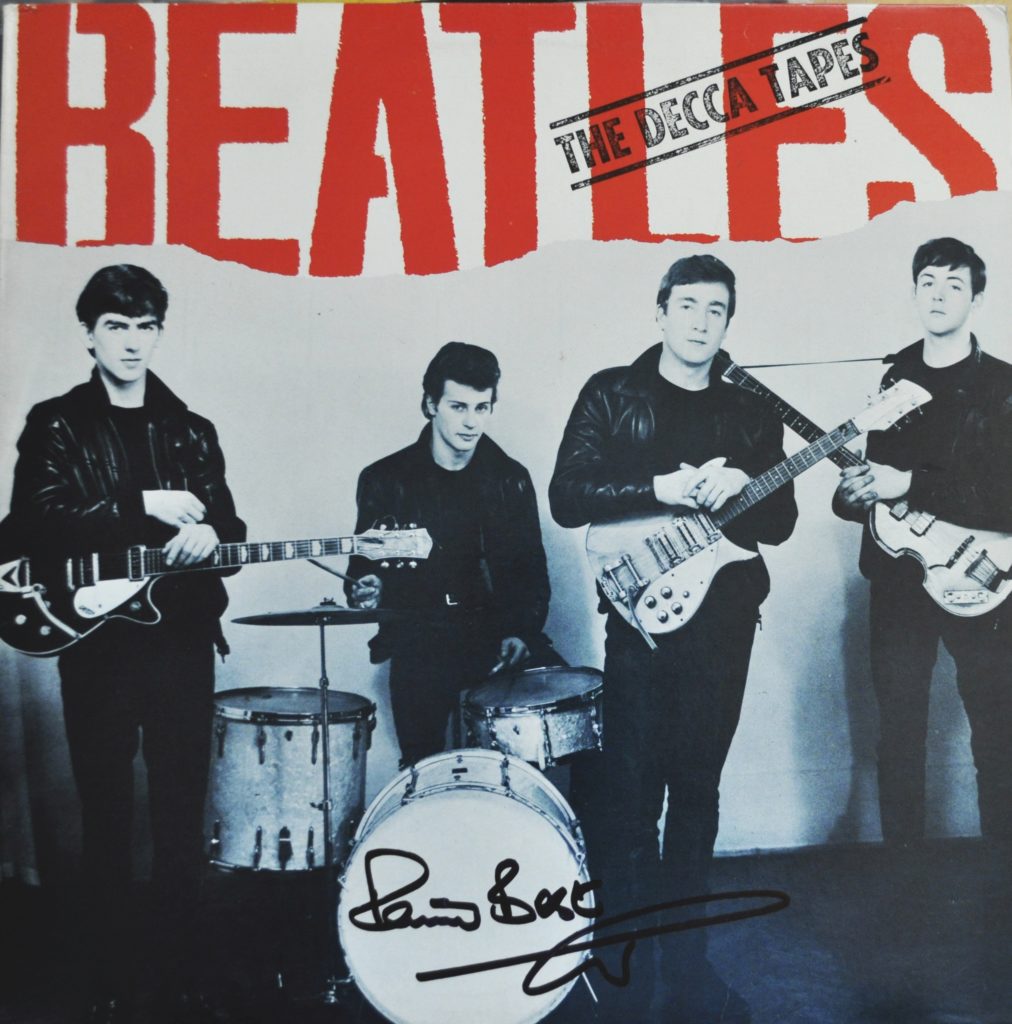
If you missed it, Decca Audition Part 1
The Beatles knew it was one of the most important dates of their lives; they still thought they could clown around as if they were in The Cavern. According to George Harrison, they even “put on heavy, thicker-than-usual Liverpool accents to try and fool the Londoners. It was a bit of a defence mechanism.” (True Story of The Beatles)
John Lennon would later say that “somehow this helped get our spirits up again.” Still, despite their best efforts, they were unable to recreate the energy and atmosphere of their Liverpool and Hamburg shows. Johnrecalled: “Remember that we had at the back of our minds that Brian Eppie had spent a lot of time already trying to get record companies interested in us, but without having any luck. I guess that was weighing on our minds.” (True Story of The Beatles)
As if all these pressures were not bad enough, tensions soon rose to the breaking point when Epstein’s sense of self-importance tripped him up once again. Dismissing normal studio protocol, he interrupted he proceedings and immediately got into an open altercation with John Lennon. Oops!
The red mist descended over Lennon faster than a rainstorm. Pete Best: “…Brian began to voice some criticism either of John’s singing or his guitar playing. I’m not sure which. Lennon burst into one of his bouts of violent, uncontrollable temper, during which his face would alternate from white to red. ‘You’ve got nothing to do with the music!’ he raged. ‘You go back and count your money, you Jewish git!’” The sudden chill in the studio was far icier than the weather outside. “Brian looked like he had cracked down the middle. Mike Smith, the sound engineers and the rest of us all looked at each other in amazement.” (Beatle!)
Brian wisely walked away from the confrontation. This was likely the first time he experienced a very public tongue-lashing from the often cruel tongue of John Lennon. It wouldn’t be the last, and the fact that it happened at a crucial audition at Decca studios of all places shocked everyone watching. Not the best way to sell yourself.
The final order of the songs performed at the session is not known, but by the end they had managed to record 15 numbers, all live, with little or no opportunity to correct mistakes. Time was up.
Now, decades later, we ask you to put yourself in Dick Rowe’s position. After all the feedback on the day’s events, having listened to the session tapes, and knowing the comparisons and options concerning Brian Poole and the Tremeloes, Rowe had to make a straightforward commercial business decision whether to sign The Beatles or not. There was no crystal ball where he could gaze into the future; nor did he have the luxury of looking back in hindsight.
With that in mind, and based on the known facts, what would you have decided? Would you have signed The Beatles?
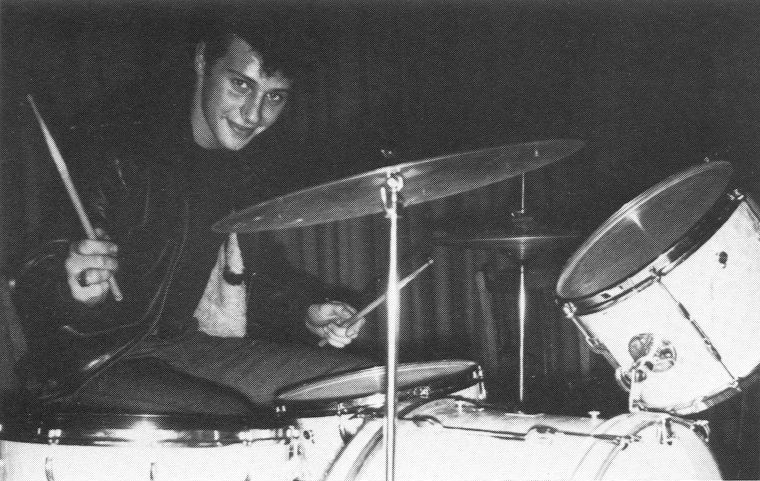
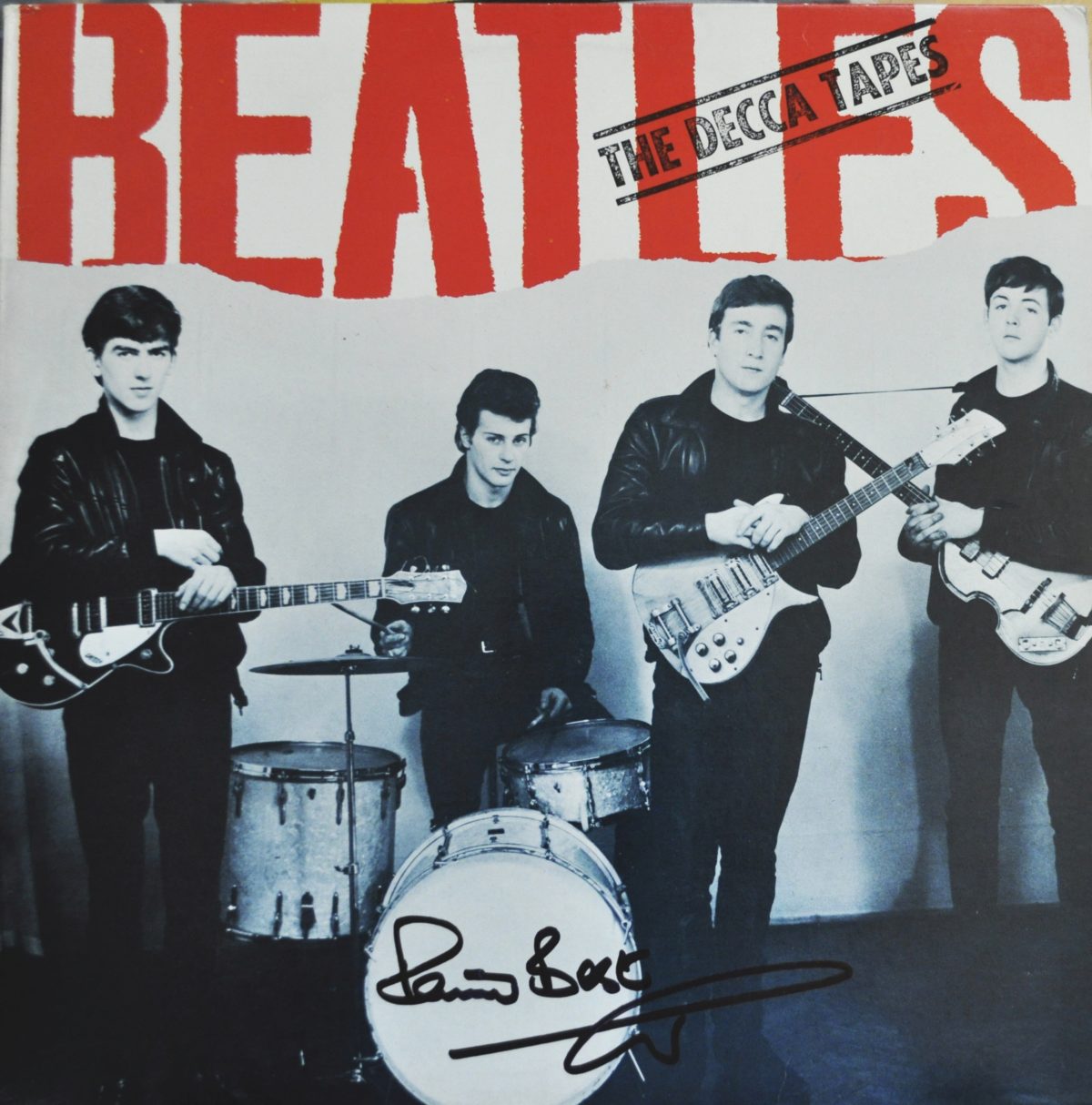
These Decca auditions have been cited over the years as proof of Pete Best’s poor drumming and one of the reasons why he had to go. “Worst of all was Pete’s drumming,” and “At Decca, Pete had the full kit at his disposal and did little with it.” (Tune In). But is there any basis in this assessment?
Writing for Ultimate Classic Rock, Dave Lifton also condemns Best’s drumming. “The tapes prove George Martin’s assertion that Pete Best was the wrong drummer for the group. For years, Best had said he was fired in favour of Ringo Starr because the band were jealous of his success with their female fans. But after one listen, it’s obvious that Best was a limited drummer with a poor sense of timekeeping.”
“I thought Pete Best was very average, and didn’t keep good time. You could pick up a better drummer in any pub in London,” recalled Decca session engineer Mike Savage in a 2007 interview. (TuneIn)
Very average and didn’t keep good time? A better drummer in any pub in London? These emotive words condemn Best as a drummer; Savage’s words are savage. In context, Mike Savage was the 20-year-old junior assistant to producer Mike Smith back in 1962. “If you’ve got a quarter of a group being very average, that isn’t good,” (Tune In) he continued. Granted, this is a fair comment.
However, an analysis of the songs will demonstrate that the whole audition was average at best. Applying the scholastic tests, theavage quote, the first by him was given 45 years after the original session, goes against the testimony by many ‘60s-era Liverpool musicians who describe Pete as a very good drummer. There is also no independent corroboration of these comments, and nobody else from Decca, including Mike Smith, commented on Pete’s drumming. We will examine Best’s drumming ability track by track to see if Savage’s assessment holds up.
For our analysis of the Decca session, we invited three drummers to listen to the audition songs, each for the first time ever. The analysts, which include a father-and-son team, are:
Mike Rice, drummer with ‘60s Merseybeat band The Senators who was an active drummer until recently, and saw both Pete and Ringo play with The Beatles.

Derek Hinton, 50, a guitarist and bassist in bands for over 30 years and an accomplished drummer as well.

Derek’s son Andrew Hinton, 19, an excellent drummer, bass guitarist and lead guitarist who is currently pursuing a music degree at Liverpool University.

Each participant was played the song only once, and was then asked for his immediate feedback on Pete’s drumming as if they were at the session.
Here is a selection from the book, Finding the Fourth Beatle, where we examined all 15 songs. You can also find every track in the Decca audition on our Finding the Fourth Beatles double-CD.
John launched into a rocking version of “Money (That’s What I Want)”, a 1960 hit for Barrett Strong on the Tamla label. Written by Tamla founder Berry Gordy and Janie Bradford, it became the first hit record for Gordy’s Motown label, whose roster included all the great American pop-soul artists The Beatles worshipped. John seems to be almost croaking, or trying too hard to sound like a rock ‘n’ roller, and overdoes the vocals. Though John’s voice is too raspy, Pete’s atom beat is strong and Paul’s solid bass-playing augments the strong drum rhythm.
This song was later recorded for EMI and issued on their second LP, With The Beatles.
Pete’s drumming?
Mike: “Couldn’t hear Pete enough because the balance isn’t too good between the instruments. Pete’s timing is good and he is playing the correct rhythm for the song, using his bass and floor tom well. Nothing wrong with his drumming.”
Derek and Andrew: “Very good use of the full kit. Very tight and a good tempo all the way through. Drumming is fast and at a good pace with good syncopation.”
“To Know Him Is to Love Him” was written by Phil Spector, inspired by words on his father’s tombstone, “To Know Him Was To Love Him”. It was first recorded by Spector’s group, the Teddy Bears, and it went to #1 on the Billboard Hot 100 singles chart in 1958. The Beatles’ version was not officially released until 1994, when it appeared on their Live at the BBC compilation album. The song is in 12/8 time. John’s lead vocal is good, though lacking in the quality we would expect, while the backing harmonies from Paul and George are perfect. Guitars, bass and drums all work together. This is possibly one of the best tracks of the day.
Never recorded by The Beatles with EMI, the song was performed for the BBC and a version was released on Live At The BBC.
Pete’s drumming?
Mike: “I would have added something slightly different, personally, when they go in to ‘Why can’t she see…….’, but that is still good, and the beat is good and regular, and he makes a good transition back into ‘To know, know, know her…’, so I’ve no real criticisms.”
Derek and Andrew: “The timing on the hi-hat is like a metronome, it is that good and regular. He is playing almost freestyle, playing to the song – not just sticking to a set rhythm. He emphasises the melody and song, and doesn’t have a set part to play which is very creative. Maybe needs a little variation with his use of the snare and the ride cymbal.”
One of the best songs in the day’s repertoire, “Take Good Care of My Baby” came from the famous songwriting team of Carole King and Gerry Goffin. Bobby Vee’s hit version was released in America July 1961 and by September, it had reached #1 on the Billboard Hot 100. In The Beatles’ version, George’s vocal is superb, with John and Paul harmonising with him brilliantly; the group sounds tight.
Not recorded by The Beatles for EMI, the song was performed for the BBC and appeared on Live At The BBC.
Pete’s drumming?
Mike: “Clean and clear sound, Pete’s rhythm is the right one and nicely in time. Good performance.”
Derek and Andrew: “The drumming is very tight, and has a good, consistent tempo. He uses a simpler pattern and rhythm, appropriate for the song. He stops perfectly in time with the rest of the group; the whole group performs this song perfectly. The drumming is holding the group together, and leading from the back. He is very inventive, using a different rhythm for each song, whereas most drummers would just do the same for each song.”
There had to be a Buddy Holly composition included, and they chose “Crying, Waiting, Hoping” a song released in 1959 as the B-side to “Peggy Sue Got Married”. There are actually three versions of Holly’s song: the 1959 release, the 1964 reissue with different orchestration, and Holly’s original home recording.
The Beatles’ Decca version featured George Harrison on lead vocal whilst replicating studio guitarist Donald Arnone’s instrumental bridge note for note. Everything about the song is great. George’s vocal is once again the pick of the session, and the balance of the group’s rhythm is very good.
The number was never an official EMI release by The Beatles, until it appeared on Live At The BBC.
Pete’s drumming?
Mike: “Nice rhythm, good drum rolls at the right place, and variation in the chorus, too. A good performance and sounded great.”
Derek and Andrew: “Again, Pete’s drum rolls are excellent. More variety in his choice of rhythm, with good variation on the snare drum. He is playing a standard 4/4 time signature but with a samba variation. This is where he is listening to the group and playing the song well. It is inventive and precise, with perfect patterns. Stunning performance by Pete, and this is probably the best the whole group has sounded together. They all know what they are doing.”
“Three Cool Cats” was a 1958 song written by Leiber and Stoller. It was originally recorded by The Coasters and released as the B-side of their hit single, “Charlie Brown”. The Beatles performed this song several times during the infamous Get Back/ Let It Be sessions in January 1969.
Another fine vocal performance from George with supporting harmonies from John and Paul, whose interludes are characterized by very dodgy foreign accents. These odd dialects, though well-suited for a live Cavern show, spoil an otherwise impressive group performance with tight vocals, guitars and drums.
First released on Anthology 1, this is The Beatles’ only recording of a great song.
Pete’s drumming?
Mike: “He varied the beat at the right time – better variation – and kept a good tempo. No problem with his drumming there.”
Derek and Andrew: “Again, Pete adds his signature drum roll to perfection, and sounds really good. He uses great variety in the chorus with his use of the snare. Good variety in the lead guitar solo to back up what George is doing. Again, drumming is very tight with the group.”
The Studio:
Steve Levine has been a successful record producer for many years, and was a good friend of George Martin. He has a unique insight into the recording environment and technology The Beatles would have used in 1962. For him, the whole process of stepping into a recording studio for the first time was a significant factor. Read Steve’s comments in the book.
The Drummer?
Did our expert drummers agree with Savage’s comments about Pete’s drumming being “very average, and didn’t keep good time. You could pick up a better drummer in any pub in London”?
“I don’t know who these people are who criticise Pete’s drumming because he was a great drummer,” said Mike Rice. “He was fantastic to see live with The Beatles and his sound drove the group forward.” (DB interview 2015)
As Derek observed: “Pete’s timekeeping was like a metronome, and at times, it came across as if it was the drummer who was the leader of the group, like a Buddy Rich. In fact, Pete’s drumming reminds me of ‘Wipeout’ by the Ventures, with that great use of the floor tom and that pounding rhythm that drives the song.” It’s noteworthy that both The Ventures’ and Safaris’ versions of “Wipeout” didn’t come out until 1963, a year later.
Andrew notes: “Considering Pete had no training, he is very creative and he was creating sounds and rhythms for the first time. He knows what he is doing, is confident in his ability, and isn’t simply copying the records or original version.”
Derek concluded that Pete “is doing something different on virtually every song, and almost playing like the “Prog Rock” drummers were doing in the 1970s.”
Junior Engineer Mike Savage commented further on Pete’s drumming: “If Decca was going to sign The Beatles, we wouldn’t have used Pete Best on the records.” (Tune In)
Interestingly, the only comments we have from Savage pertain only to Pete’s drumming. But what did he think about John, Paul and George? Why do we not have those comments? Neither session producer Mike Smith nor Dick Rowe singled out Pete for particular criticism – the recordings reveal that, at various times, they were all culpable. However, as we will see in a later chapter on the use of session drummers, it wouldn’t have mattered how well Pete Best did that day, because you could virtually guarantee that Decca or Parlophone were going to use a session drummer. That was no insult to Pete, or later, to Ringo.
When asked about the Decca audition in the February 2002 issue of The Beatles Monthly, Smith said: “Maybe I should have trusted my instincts and signed them on the strength of their stage show. In the studio they were not good and their personalities didn’t come across. Maybe they were in awe of the situation. Of course I kicked a lot of furniture in the year or two afterwards when The Beatles started to happen for George Martin over at EMI. I would like to have auditioned the group when they had a better range of songs to offer, but NOT after they fired Pete Best. In my humble opinion he was a better drummer than Ringo.”
Smith added that “the one that played the most bum notes was McCartney. I was very unimpressed with what was happening with the bassline.” But he also wanted to qualify that observation, reminding us that “we are talking about four young men in a very strange environment, probably a very overpowering environment.” (Best of the Beatles) This is a fair comment to make about four young men entering a professional recording studio for the first time. It should come as no surprise that they were all affected by nerves. It is only natural.
Mike Savage: “If Decca was going to sign The Beatles, we wouldn’t have used Pete Best on the records.” How ironic that, just over a year later, Decca signed the second-most popular group in Liverpool, Lee Curtis and the All-Stars, whose drummer was, of course, Pete Best. Did they use a session drummer? No. It is also clear from what Smith has said that he was happy with Pete Best, and so he would not support the comments by Savage.

Decca released two singles, “Little Girl” and “Let’s Stomp” but, unfortunately, neither made the charts. In mid-1963, the rest of the band decided to split from Curtis to form The Original All-Stars. That group became The Pete Best Four, who were also signed by Decca and produced by none other than Mike Smith. And again, no session drummer was used. The Pete Best Four and Pete Best Combo released several singles and albums. But despite Pete’s profile and the songwriting talents of Wayne Bickerton and Tony Wadsworth, success eluded them.
As a former member of Pete’s group, Bickerton was asked about his drumming. “Pete was a good drummer,” Bickerton said. “All the stories of him not being able to play properly are grossly exaggerated. The problem he fought against was being an ex-Beatle, which worked against us. The talent was in the band, but it was secondary to the Beatle-obsessed media and public.” (Spencer Leigh Let’s Go Down To The Cavern)
The Beatles failed the Decca audition as a group, with no single member to blame, be it Pete Best, John Lennon, Paul McCartney or George Harrison. This failed audition could have been the end of the road for The Beatles, not just for Pete.
Brian, however, was not prepared to give up just yet. He took the boys out for a meal and tried to cheer them up. “The boys performed like real troopers when I stressed that this was only the beginning, not the end,” Brian said. “I knew how disappointed and fed up they were.” He felt he had let his boys down, but it was a learning experience for them all.
Thankfully, Decca turned The Beatles down, which meant they got the chance to work with George Martin; a perfect partnership. That Parlophone audition went ok, even if it wasn’t a perfect performance.
David Bedford
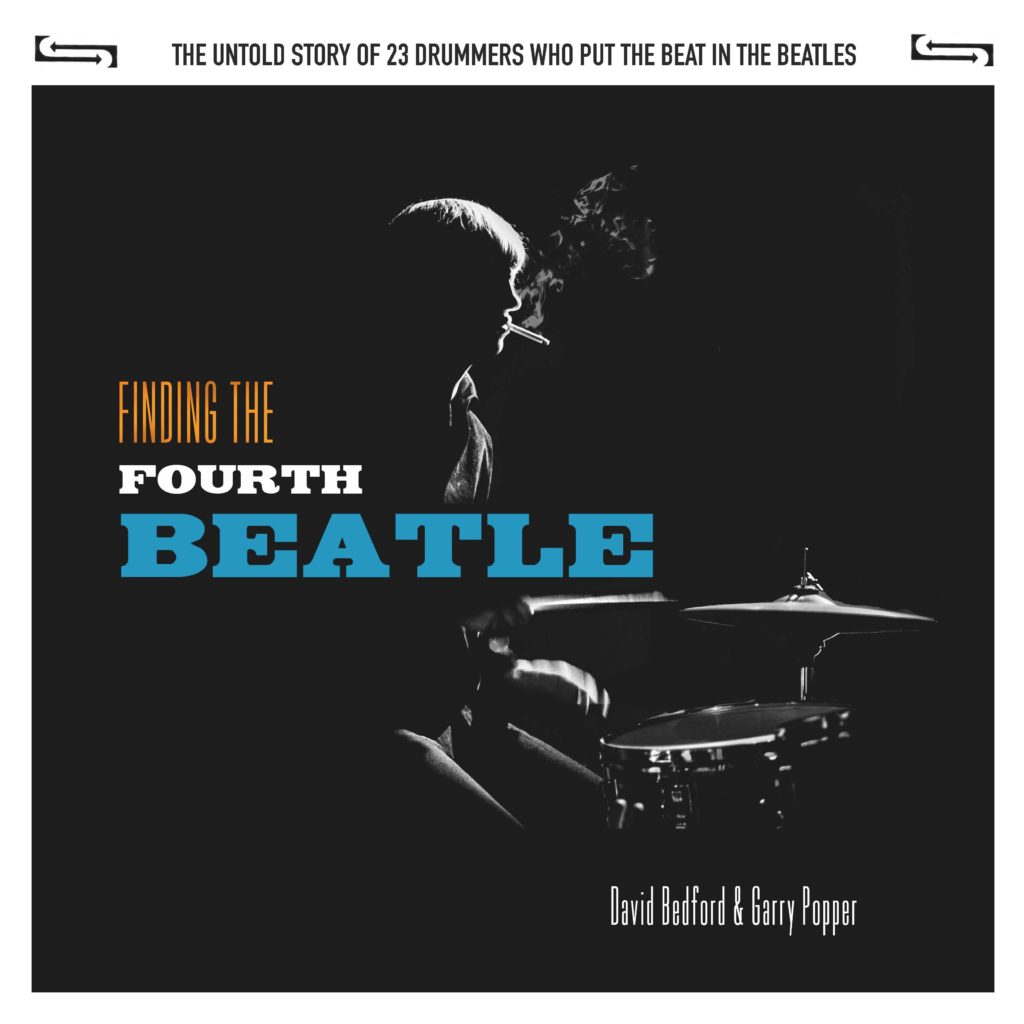
GET YOUR COPY OF FINDING THE FOURTH BEATLE NOW WITH THE WHOLE DECCA AUDITION ANALYSED.

Were guitar groups really on the way out as Decca producer and executive Dick Rowe supposedly told Brian Epstein? Was that why they failed the Decca Audition? Mike Smith had raved about The Beatles when he visited the Cavern just a couple of weeks earlier, so why would Rowe not like their sound? “When Mike came back,” said Rowe, “I said, ‘Well, what are they like?’ I wasn’t excited, but I was very interested because there was a lot of underground talk about them. Mike said, ‘Oh, they’re great!’ I said, ‘Well, you better bring them down and give them an audition.” (The Beatles: Oral History)
In Finding the Fourth Beatle, we decided to analyse the Decca audition in more detail than had been done before. There are so many subjective comments and biases that come through, that we felt we couldn’t just offer another author’s opinion on Pete Best, who seems to get a lot of blame. Was he responsible? Was he a crap drummer as some people think? So, we asked three drummers, of different generations, to listen to the Decca audition and give us their objective opinions on Pete’s drumming. It was very revealing!
Surely, if they were a three-part harmony, guitar-based group like Brian Poole and The Tremeloes. The sound was comparable, so was it simply a case of the two bands being too similar? On the surface, the answer is yes. However, when you dig a bit deeper, you can see why Dick Rowe didn’t sign The Beatles which, thankfully, meant that they were paired with George Martin and not Rowe.
So why has Dick Rowe been blamed for turning down The Beatles? Is the criticism justified? Was it simply a north-south divide problem? Was he biased against Liverpool artists? History shows that Rowe was responsible for the first no. 1 record by a Liverpool artist, even if it was “(How Much Is That) Doggie In The Window” by Lita Roza in March 1953. He also recorded “Halfway To Paradise” and “Jealousy”, two hits by Merseyside’s first rock ‘n’ roll star Billy Fury. The handsome singer-songwriter hailed from Liverpool, so wouldn’t that work in The Beatles’ favour?
So what was it? Did Dick Rowe make the decision, or did The Beatles make the decision for Dick Rowe? Put yourself in Rowe’s place; whom would you have signed? As you will see, it wasn’t a straight comparison between the two groups after all.
Let’s examine The Beatles’ Decca audition in more detail, song-by-song. Bear in mind that they performed these fifteen numbers in less than an hour, probably getting only one shot at each. Mike Smith has said that he expected them to reproduce the great performance he’d seen at the Cavern, and encouraged them to “play the whole spectrum of music” he’d heard.
Even though the songs were regularly performed in their act, they weren’t really representative of The Beatles’ sound. Brian was keen to demonstrate their wide range of talents, both individually and as a group, and to show their musical versatility. In hindsight, it was probably a mistake. But Brian didn’t impose the songs on them.
As George recalled: “In those days a lot of the rock ‘n’ roll songs were actually old tunes from the ‘40s, ‘50s or whenever, which people had rocked up. That was the thing to do if you didn’t have a tune; just rock up an oldie. Joe Brown had recorded a rock ‘n’ roll version of ‘The Sheik of Araby’. He was really popular on the Saturday TV show Six-Five Special and Oh Boy! I did the Joe Brown records, so I did ‘Sheik of Araby’. Paul sang ‘September in the Rain’. We each chose a number we wanted to do.” (Anthology)
Pete thought that, in hindsight, they shouldn’t have allowed Brian to have as much say in the songs they performed: “It was a strange dish to set before the recording kings, with the emphasis on standards which, I remember, was mainly at Brian’s insistence. Really, we were doing little that was different.” (Beatle! The Pete Best Story) John later said that the group “should have rocked like mad in there and shown what we’re like when we’re roused.” (The Beatles: The Biography, Spitz)
Morning arrived all too soon – but not that early, as Brian Epstein noted: “At 11 am…we arrived at Decca in a thin bleak wind, with snow and ice afoot,” he said rather poetically, carefully omitting the detail. (Cellarful of Noise)
Pete recalled Brian’s wrath after he’d warned them about staying out past ten: “When we got to the Decca studios the next day, we were late. Seems to be our history, being late, and Brian of course, was there before us. He was absolutely livid. He tore a strip off us left, right and centre. John just basically turned round and said, ‘Brian, shut up. We’re here for the audition, right.’” (Beatles at The BBC 2012)
For some unexplained reason, The Beatles had taken their own amplifiers, as if they were turning up for a live gig. That was the first problem. Their cheap amps may have been passable for performing in clubs, but the hum the amplifiers emitted in the recording studio was an issue. When the hum proved far too audible to the sound engineers, they had to be changed for Decca’s own studio amps. “They didn’t want our tackle,” said Neil. “We had to use theirs. We needn’t have dragged our amps all the way from Liverpool.” (The Beatles. Hunter Davies)
True! This clearly shows how ill-prepared and ill-informed they had been. Adding more headaches to their groggy condition, they also had to cope with a huge, open, icy-cold studio. Decca had been closed for the Christmas period and, consequently, there was little or no room heat.
The boys were accustomed to close interaction in their live performances, but the recording studio was quite another story. The unfamiliar layout meant they could not communicate in the usual way. To avoid sound bleeding into other microphones from the drums, Pete was situated behind a studio ‘baffle’, an isolation screen. This made direct eye contact with the others almost impossible for Pete as all four struggled to keep cue off each other.
Don Dorsey, an engineer who has worked at Abbey Road, explained why this would be a problem: “A recording studio environment is quite different to a live environment. In a live hall, all band members are relatively close together and all their sound output mixes in the environment – the drummer hears everything. In a recording studio, it would be customary for the drummer to be separated from the rest of the band with a large wall-like sound baffle. The purpose of baffles is to keep sounds from one player intruding too much into the microphones of the others. As a result, to hear other band members well, headphones must be used and the sound would be nothing like a live appearance.” (Liddypool DB 2007)
The physical separation was new to The Beatles; the setup at the Hamburg recording sessions had been completely different. They also noticed for perhaps the first time the vast difference between playing to a control booth and performing in front of a live audience. As the top group in Liverpool and Hamburg, they had learnt to “mach shau” – to “work” the audience. This time around, the chance to recreate the magic of the Cavern, which Mike Smith had enjoyed so much, was impossible. On top of everything else, they had a classic case of audition nerves which affected their delivery of even the most familiar songs. No assessment of the Decca audition can be done without taking into consideration all these factors, both external and internal.
Tensions had simmered from the moment The Beatles arrived, gathering even more momentum when the ever-punctual Brian became angered by the late arrival of the Decca staff. Culprit-in-chief was Mike Smith who, like the four lads, was also hung over from the night before. Brian took it personally. “Mike Smith was late and we were pretty annoyed about the delay. Not only because we were anxious to tape some songs but because we felt we were being treated as people who didn’t matter.” (Cellarful of Noise) Here, Epstein reveals his inner insecurity by letting slip his overblown sense of grievance about being treated as someone of importance.
In reality, The Beatles were no doubt relieved that they weren’t the only ones to arrive late, or the only ones to rattle Epstein’s code of behaviour. Dick Rowe avoided the flack this time. The man responsible for the final decision wasn’t at the session. That was left to Smith, who would report the feedback to Rowe later. In the meantime, with everyone finally in place, studio equipment was set up, levels were taken by the engineers in the control booth, and they were off. The scary red light came on, and in the silence and isolation of the Decca studio, the audition began.
Although the use of the red light was customary to let everyone know that they were ready to record, it was a distraction. “They were pretty frightened,” said Neil. “Paul couldn’t sing one song. He was too nervous and his voice started cracking up. They were all worried about the red light. I asked if it could be put off, but we were told people might come in if it was off. ‘You what?’ we said. We didn’t know what all that meant.” (The Beatles. Hunter Davies) To add to the confusion, the group knew very little about all the microphones, booms and controls. The boys were truly in uncharted territory.
Part 2 coming next

One of The Beatles’ favourite Liverpool bands was the all-vocal black harmony group, The Shades, who later became The Chants. The Beatles would, in fact, back them on three occasions in 1962. The group originated in the Liverpool 8 area. I met founding member Joe Ankrah, who told me how it began. (Featured in my book The Fab One Hundred and Four: The Evolution of The Beatles)

“My father was the organist and choir master at the African Churches Mission. My brother Edmund and I were in the choir there. A lot of my upbringing with my dad and the church, I did want to make something of myself.”
Joe attended Upper Park Street Primary School and then went on to Wellington Road Secondary Modern. “When I left school, I wanted to be an artist, as I was quite good at art,” Joe said. “There was a huge gap in opportunities between black people and white people. My dad was good at drawing, and when he was in the army, he was a draughtsman. He did all kinds of rubbish jobs, and ended up as a ship’s fitter over at Cammell Laird.
“So I left school and suddenly, there were no friends and nothing to do. I decided that there was no way I was going to work in a chippy or something like that. So I put my portfolio together and headed for town and tried to get a job as an artist. It was possible back then, because posters and advertising hoardings were all painted by hand. However, of course, that kind of artwork was dying out and being replaced by photography and new ways of printing. So I found myself out of work, and bumming around.
“One of our enjoyments was going to the Rialto, which was a cinema.It also had a ballroom where we used to go and listen to music and dance. So we would head down there on a Monday night, all dressed up, stand around the ballroom, doing our moves.
There was a movie coming on called Rock Around The Clock. We watched this and I was impressed with them, even though it was really about Bill Haley. I just realised that I wanted to start a group, and particularly a vocal-harmony group. My brother Edmund and I were bumming around. Because my dad had been a choirmaster at the church, I knew about harmony.”
Apart for singing in their cellar, they had performed a few times at Stanley House. This was especially when his mother grew sick of them! There was a gang culture developing in Toxteth, as Joe explained: “There was the J’s and the Shines. The J’s were the John Bull’s (John Bull was a political character who symbolised British culture), the white guys. We were the Shines, because our skin was shiny.
Joe continued: “I told them we were going to form a group and we started to practice in our cellar. I knew all the harmonies off by heart and that’s how we evolved. People used to come around to the house and we would be singing on the corner. And even when we would be rehearsing, there would be big crowds standing outside the house listening. Several American singers influenced us, and here we had an advantage. I have three aunties–Grace, Adah and Uzor–who were courting American GIs stationed at Burtonwood, just outside of Liverpool. They would bring their records down to my grandmother’s house and we would listen to them.
“We were bored with it eventually. What were we doing? Where were we going? All we seemed to do was rehearse. During one of those periods where we weren’t singing or performing, I found out that Little Richard was visiting Liverpool.”
Joe made an interesting observation about the music scene in Liverpool. This showed how the black and white communities were still segregated in the Sixties. “We didn’t know that there was a live music scene in Liverpool,” observed Joe. “We didn’t know about the Cavern and clubs like that. I wouldn’t have known how to get into the clubs and you wouldn’t see a black person in town then. I had no reason to go into town, so I didn’t know what was going on there.
“I was a big fan of Little Richard and I had some communication with him. He told me he was staying at the Adelphi and to come and meet him. I went down and he spoke to me. ‘Hey man, I’m doing a thing at the Tower, a Mersey show’, so I went to see him live.”
The show was on 12th October 1962 at the Tower Ballroom, New Brighton. One of Brian Epstein’s marketing ideas was to have The Beatles playing second to some of the biggest names around.
“I was backstage most of the time because I came with Little Richard,” recalled Joe. The Beatles were on and Little Richard was doing his famous walking around the balcony, singing all of his songs. So we were back by his dressing room and everyone was around Little Richard. I was just standing there, not trying to get near him. These two guys were there and asked me what I was doing there. So I told them I was there to see Little Richard. I asked them what they were doing there, and they told me they’d be on stage.”

Without realising it, Joe was talking to John Lennon and Paul McCartney. They were also queuing up to meet their hero. Joe didn’t know most of the groups, or even their names. For that reason, he hadn’t recognised John and Paul.
“I suppose I may have vaguely heard of the Cavern,” Joe said. “But even if we went into town at night time and tried to get into any of the clubs, we were turned away. We just accepted it back then. That was how it was, and it was the way it was. We had our photograph taken with Little Richard and The Beatles, plus Derry Wilkie and Sugar Dean.
“I told John and Paul that I was in a band and they laughed and asked what we played. I told them we don’t, we just sing. They couldn’t quite grasp it. ‘Why don’t you come down to one of the afternoon sessions at The Cavern, and we’ll listen to your band.
And so they did..………… Part 2 coming next

This is an excerpt from my second book, “The Fab One Hundred and Four: The Evolution of The Beatles”.
David Bedford

For years we have accepted that Paul made his debut at New Clubmoor Hall on 18th October 1957. However, I spoke to Quarrymen drummer Colin Hanton who says that can’t be right.
“All I knew was that one day Paul turned up, and Rod had left by then. His parents were giving him some grief about homework and not messing about with these silly boys and the music.”
“I have my doubts about Paul’s debut being at Clubmoor,” said Colin. “It was Wilson Hall before Clubmoor, which was run by the same guy Charlie McBain. We did a paid gig at Wilson Hall after Clubmoor, but we appeared before it too.”

Colin says that after John and Paul met, they played at the hall regularly. This was before playing Wilson Hall or New Clubmoor Hall. “After the summer fete in July ‘57, we used to play a lot at St. Peters church hall on a Saturday night. The guy had no microphone for us, and we kept asking for one. The Saturday dance became very big and they were getting all of their friends from school to come.”
A memory then springs to Colin’s mind. “I’ve just remembered: Paul was there. He said to John, there was no mic and he had been promised there would be a microphone. We got there late afternoon to set up, and John was looking round and there was no mic. The guy said he couldn’t get one. John argued with the guy who said he hadn’t been able to get a microphone.
“Paul said, ‘He’s rattled now, because he’s whistling’ and so that was that. John decided we were not playing and we walked out, which was a bit of a mistake. I went home with my drums, and then back to the hall to look for the others. I got to the door and asked if John and the lads were there. The guy said, ‘no, and he’ll never get back in here!’
“This was soon after the fete and we used to rehearse there too. They had a dance evening with a record player there by the stage, which was cranked up to full volume. Then they danced the usual three waltzes and three quick steps and then The Quarrymen would play.”
From St. Peter’s Church Hall, the next step was to Wilson Hall, Garston.
“This is how we got into Wilson Hall. Charlie McBain had a good system whereby he had a 6-piece dance band/ orchestra who would play and then want a 45-minute break to go to the pub. In the past he put the record player on, but he decided to have a skiffle contest. All he needed were 5 or 6 groups.
“You needed to pay two shillings and sixpence to get in. At 4 or 5 people a group, and 5 or 6 groups: a great idea and he was quids in. John said, ‘I’m not paying that, we’re here for the competition’. Paul said, ‘the prize is £1, so just pay the money then we’ll split the winnings’. We didn’t win!” However, it worked as an audition.
“McBain must have seen something, even though we didn’t win and that’s how we got our bookings with him. Nigel Walley was a bit of a manager and he got us 5 ten-shilling notes – £2.50 – for playing.
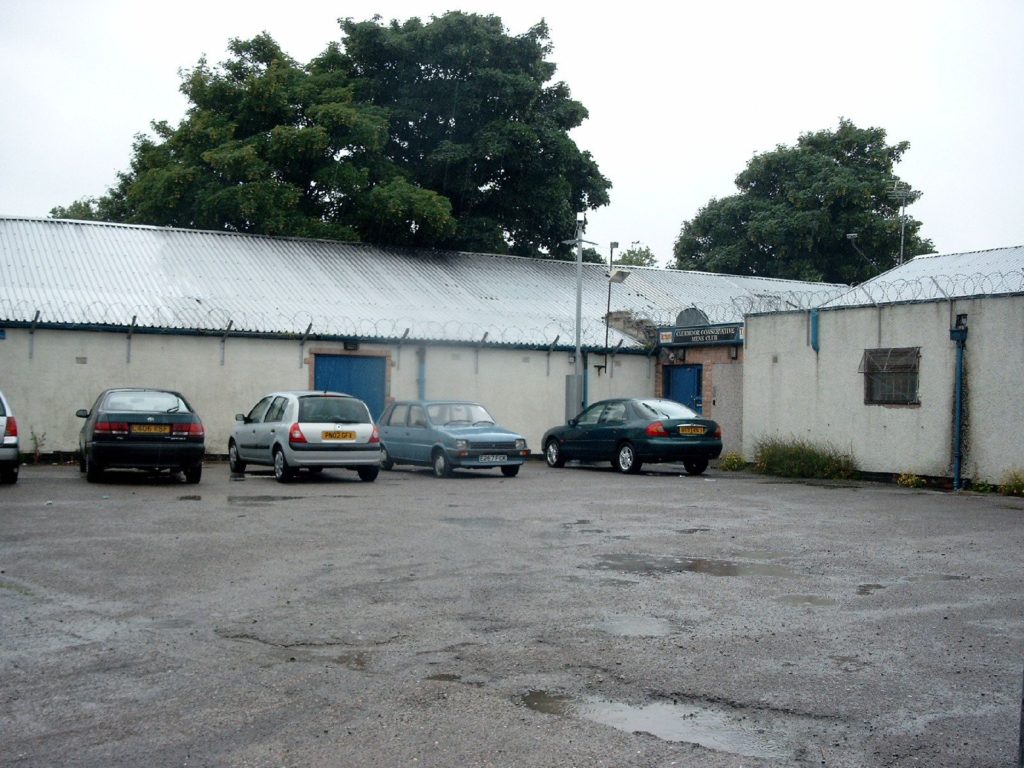
“We definitely did Wilson Hall before Clubmoor, and that’s how we got it, from the competition. That’s how we also then got up to Clubmoor. We were just desperate to get onstage. We got on at the Cavern – Paul wasn’t there because he was with scouts. It was Open Mic night which was how we got down there, and then we got paid for it. There was no way Paul joined in July and did not play until October at Clubmoor. We rehearsed and played in St. Peter’s Hall, and then appeared at the contest at Wilson Hall.
“We also went to the Locarno, another of the endless round of talent contests. There was a poster at the back for the following week for singers only, so Paul said to John, ‘why don’t we go in for it’, but John said, ‘no we’re a group’. John wasn’t interested in getting up on his own, just for the group. I think John would have been happy to keep doing what we were doing.”
Playing at New Clubmoor Hall, and the famous photograph showed how having Paul in the group had changed the balance.

“Paul never challenged John’s authority, but he was very diplomatic, very subtle. He always got his own way, but with subtle means. I remember at the start Paul wanted to smarten the Quarrymen up. He never said let’s get jackets, he just said to John, ‘I’m going to wear a jacket’. He didn’t say that we should wear one – it was sort of oatmeal colour. So, of course, John went out and got one too. So Paul got John dressed up without having a row or telling him to do it. And that was for the Wilson Hall gig, before the Clubmoor one. So it certainly wasn’t the first time Paul played with us. Maybe the first time in those jackets, so again, we played Wilson Hall before Clubmoor.”
Conclusion? Paul’s appearance at New Clubmoor Hall was probably the first time Paul played and The Quarrymen were paid! It was certainly not the first time he played with them.

Taken from my interview with Colin Hanton for Liddypool (now in its third edition)

Colin Hanton has a new book out called “Pre:Fab“, which is a great read, and being turned into a documentary.
David Bedford

We celebrate what would have been John Lennon’s 79th birthday. Join your Liddypod podcast team of David Bedford and Paul Beesley in conversation with author Jude Kessler. Jude, whose John Lennon Series is now in its fifth book, talks all things Lennon and Liverpool. David has even given her the title of “honorary Scouser”.

What drives a lady from the deep south to cross the Atlantic several times to Liverpool, before “google” and the internet, to interview those who knew John the best?
Listen now, and subscribe to, Liddypod: Beatles Banter with Bedford and Beesley.
David Bedford